
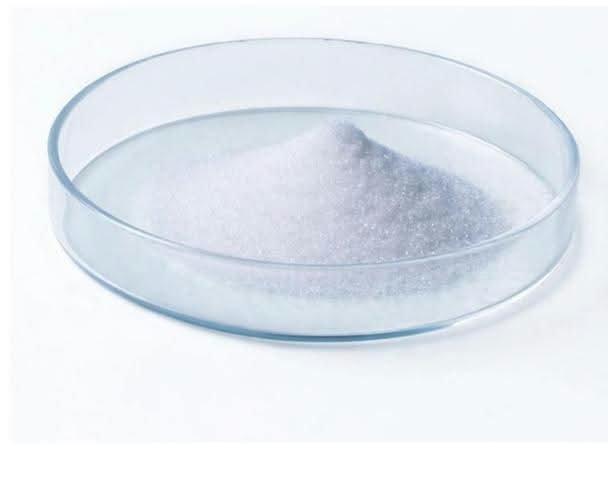
BHT
Chemical name: 2,6-Di-tert-butyl-4-methylphenol
High-purity lipophilic crystalline antioxidant providing chain-breaking thermal and oxidative stabilization across edible oils, pharmaceuticals, polymers, rubber, lubricants, and animal feeds.
| CAS number | 128-37-0 |
| Purity | >= 99.5% |
| Appearance | White crystalline powder or flakes |
| Formula | C15H24O |
| E-number | E321 |
| Packaging | 25 kg fiber drums with food-contact plastic liners |
| Minimum order | 500 kg |
About this chemical
Butylated Hydroxytoluene (BHT, 2,6-Di-tert-butyl-4-methylphenol) is a sterically hindered lipophilic phenolic antioxidant engineered to intercept auto-oxidative chain reactions. By donating an active phenolic hydrogen atom to reactive peroxy radicals, BHT terminates free-radical propagation in polyunsaturated fatty acids and synthetic polymers. Exhibiting excellent thermal stability with a melting point of 70–71°C, BHT is widely specified across edible oils, pharmaceutical softgels, cosmetic formulations, polyolefin plastics, elastomers, industrial lubricants, and animal feed rations.
Common applications
Maintains freshness, halts rancidity, and preserves organoleptic flavor in palm olein, soybean oil, shortening, and processed food products within approved limits.
Protects sensitive therapeutic APIs, fat-soluble vitamins (A, D, E), and lipid excipients in oral softgels and topical pharmaceutical bases.
Guards cosmetic base oils, fatty acids, and fragrance compounds against air-induced oxidation, color drift, and rancid odor formation.
Prevents polymer chain scission, crosslinking, and yellowing in polyethylene, polypropylene, and engineered resins during melt extrusion and storage.
Offers continuous protection against atmospheric oxygen degradation, hardening, and surface cracking across molded rubber articles and tires.
Reduces oxidative sludging, acid formation, and viscosity breakdown in engine oils, hydraulic fluids, and industrial lubricating greases.
Prevents unwanted surface skin formation during can storage in oil-based paints, varnishes, and industrial printing inks.
Stabilizes rendered animal fats, fish meals, and fat-soluble vitamins against oxidative loss and nutrient degradation in commercial feeds.
Product specifications
Values shown are standard specifications. Lot-specific test results are supplied with each dispatch.
| Parameter | Specification | Test method |
|---|---|---|
| Appearance | White crystalline powder or flakes | Visual |
| Assay (dry basis) | >= 99.5% | Gas Chromatography |
| Melting range | 69.0°C to 71.5°C | Capillary |
| Freezing point | >= 69.2°C | Cryogenic |
| Residue on ignition | <= 0.005% | Sulphated ash |
| Heavy metals (as Pb) | <= 10 ppm | ICP-MS |
| Water content | <= 0.10% | Karl Fischer |
Packaging and storage
- 25 kg fiber drums with sealed food-contact polyethylene liners
- Palletized 500 kg export lots wrapped for container dispatch
Store in original tightly closed drums in a dry, ventilated warehouse below 30°C. Protect from direct sunlight, ignition sources, and strong oxidizing agents.
24 months from manufacturing date in original unopened containers.
Frequently asked questions
Related products
All productsBHA
Versatile fat-soluble phenolic antioxidant with exceptional carry-through baking stability, protecting edible fats, cosmetics, pharmaceuticals, essential oils, and packaging liners.
Propyl Gallate
Triple-hydroxyl phenolic gallate ester providing potent radical-quenching efficacy for edible fats, synthetic Vitamin A, cosmetic emulsions, and dielectric transformer oils.
Gallic Acid
High-purity natural polyphenolic antioxidant and synthesis building block for pharmaceutical APIs, gallate esters, leather tanning, and Folin-Ciocalteu analytical standards.